Annika Willerup & Louise Falck Suzuki
Original intention
Inspired by MIDI controller such as the Stereo Field by the Landscape Studio, this project aims to produce and modify sounds, using marquetry to disguise the interfaces in the object.
How can we design sound in a creative and experimental way ?
Historically, marquetry has been used on musical instruments, mostly on guitars (classical and electric), but also on harps and some violins.
We would like to bring this ancestral savoir-faire into the modern way of making music : an inlayed MIDI keyboard that could allow us to experiment with sound by affecting it through marquetry.
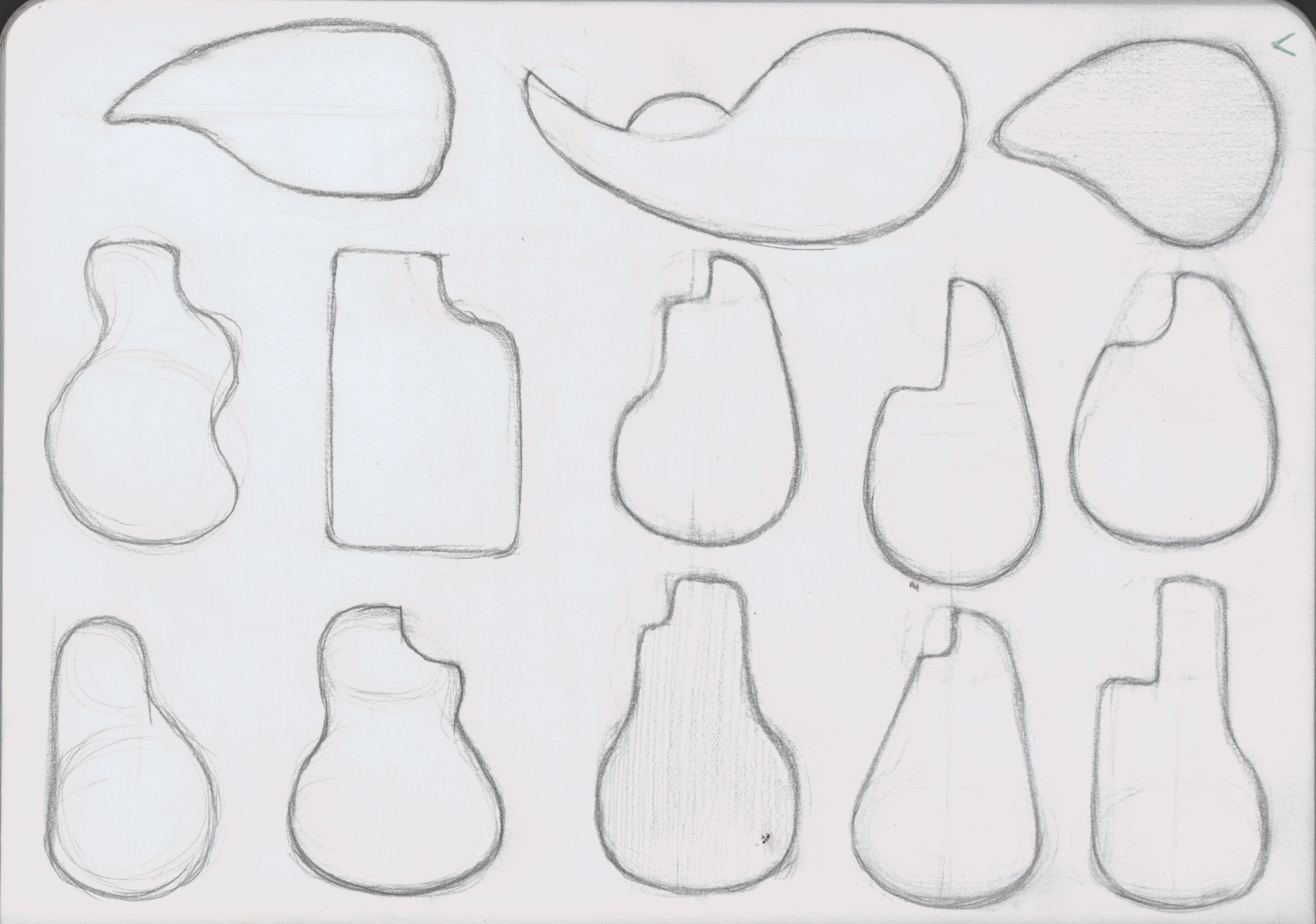
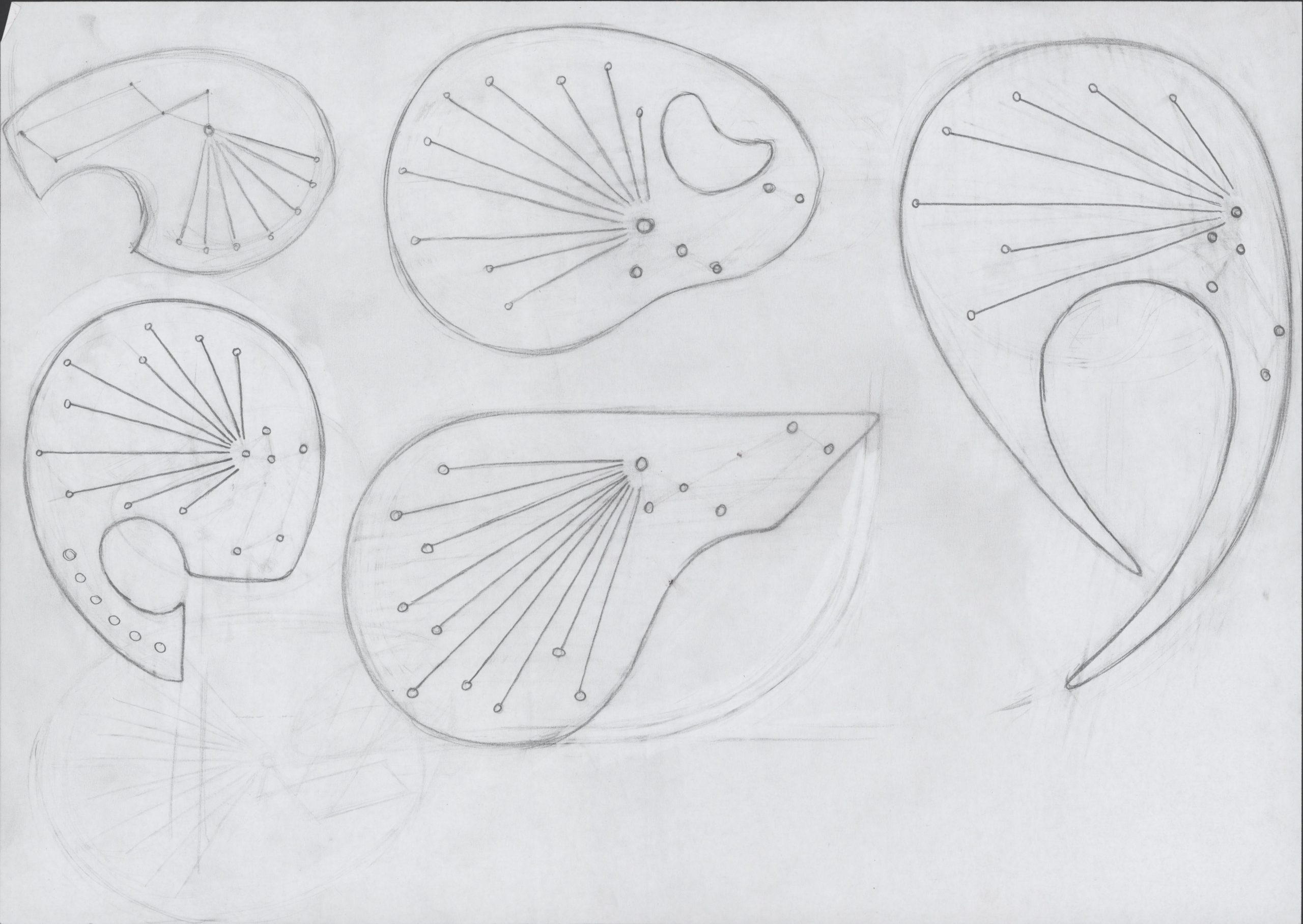
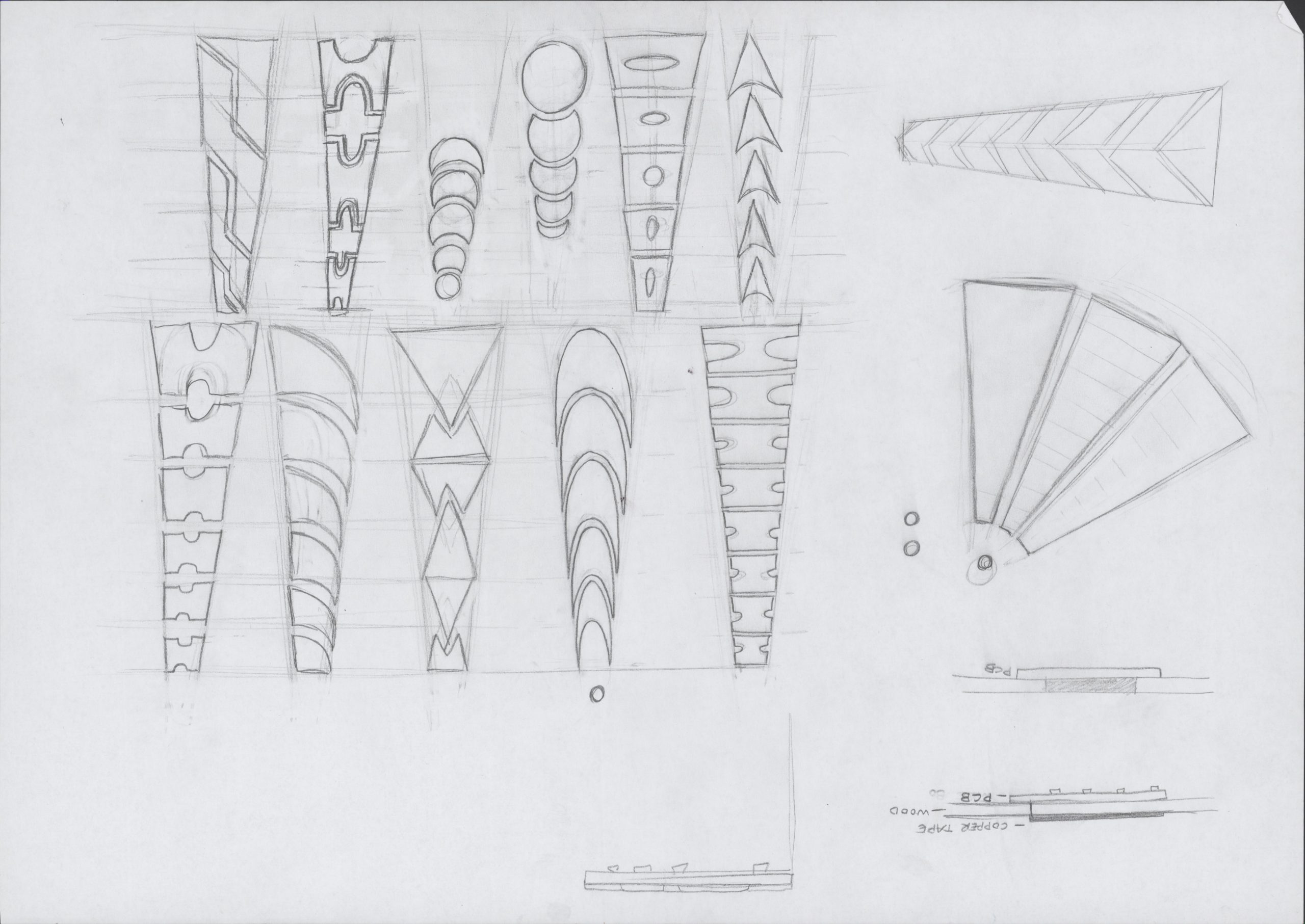
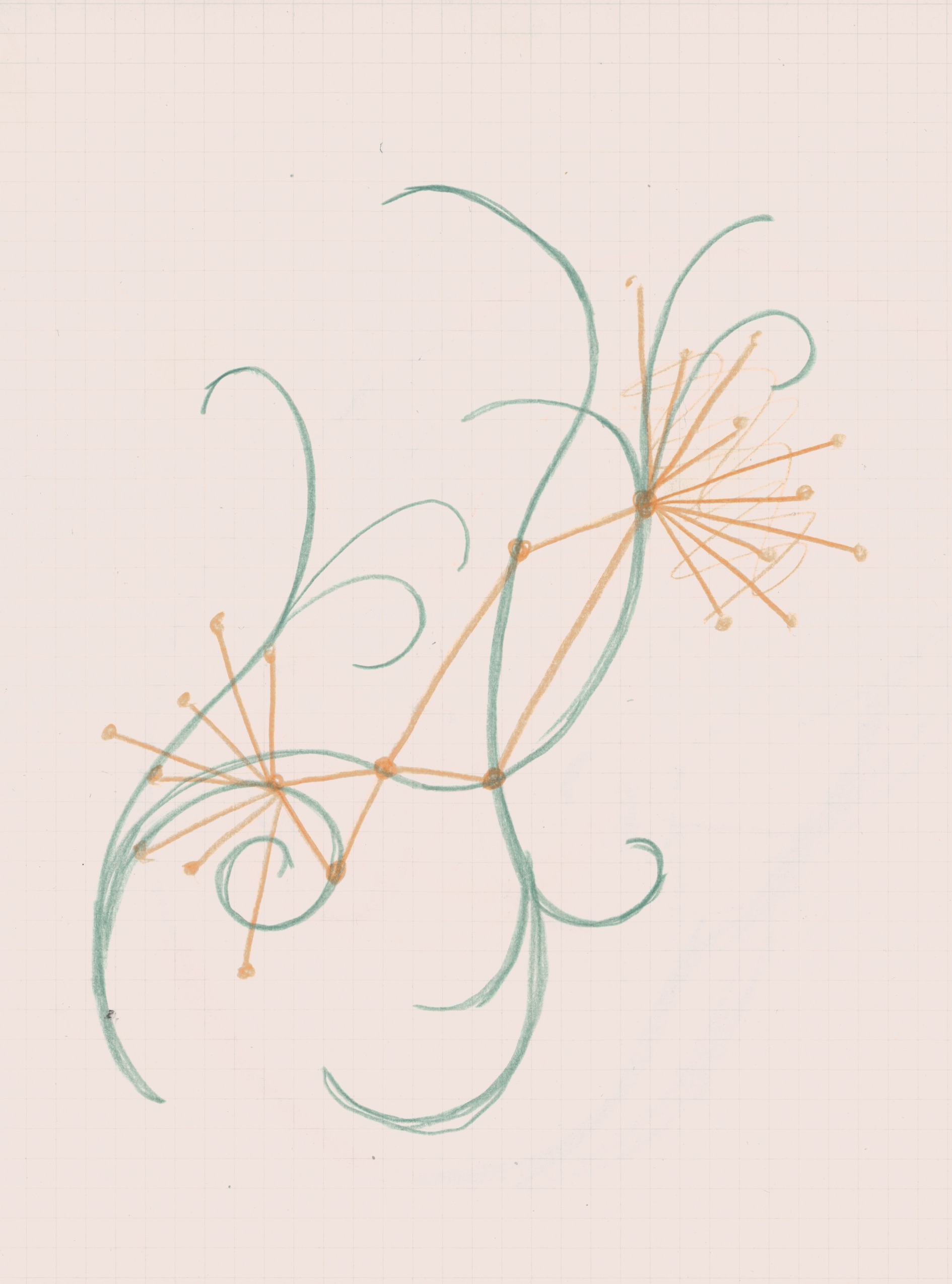
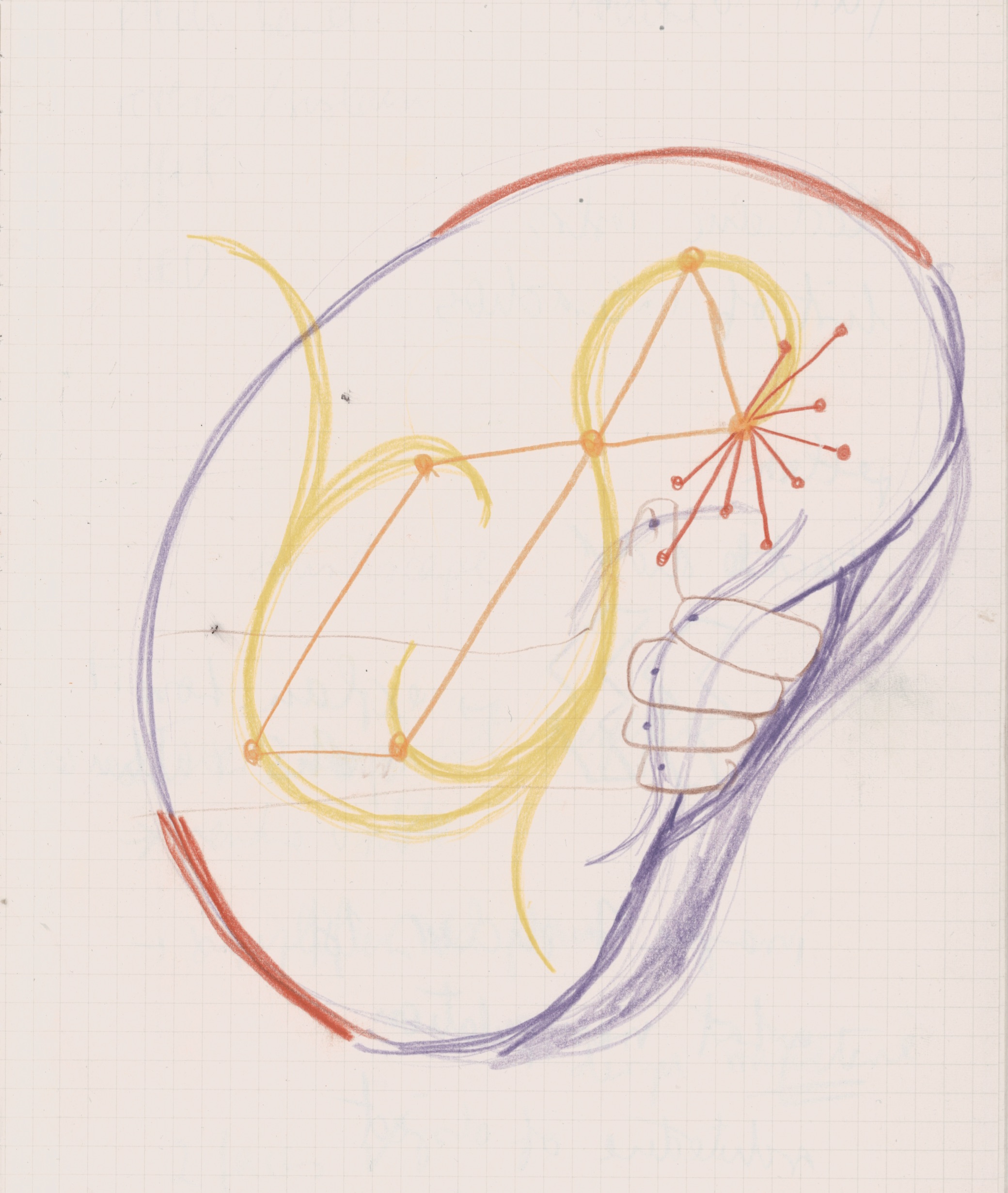
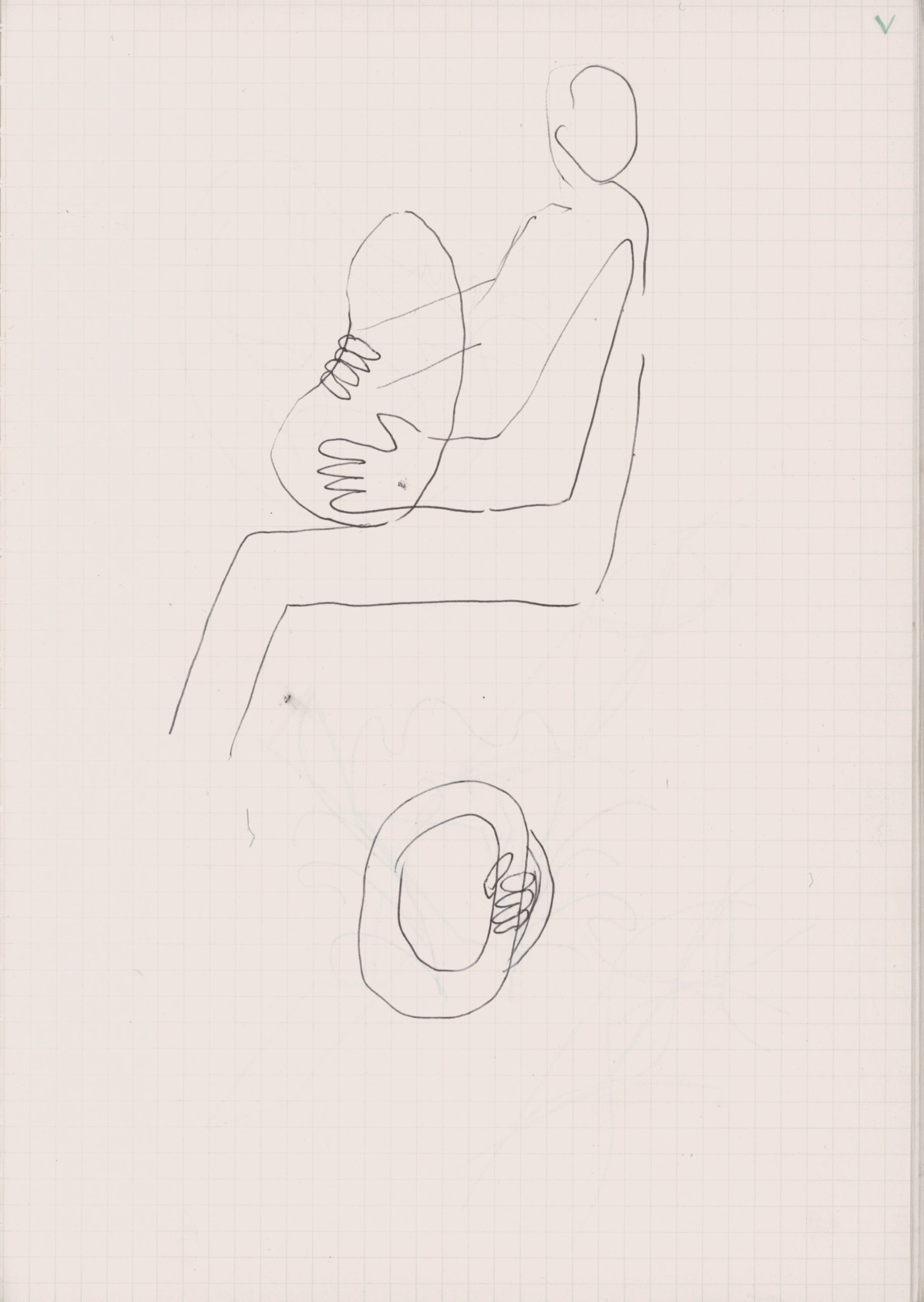
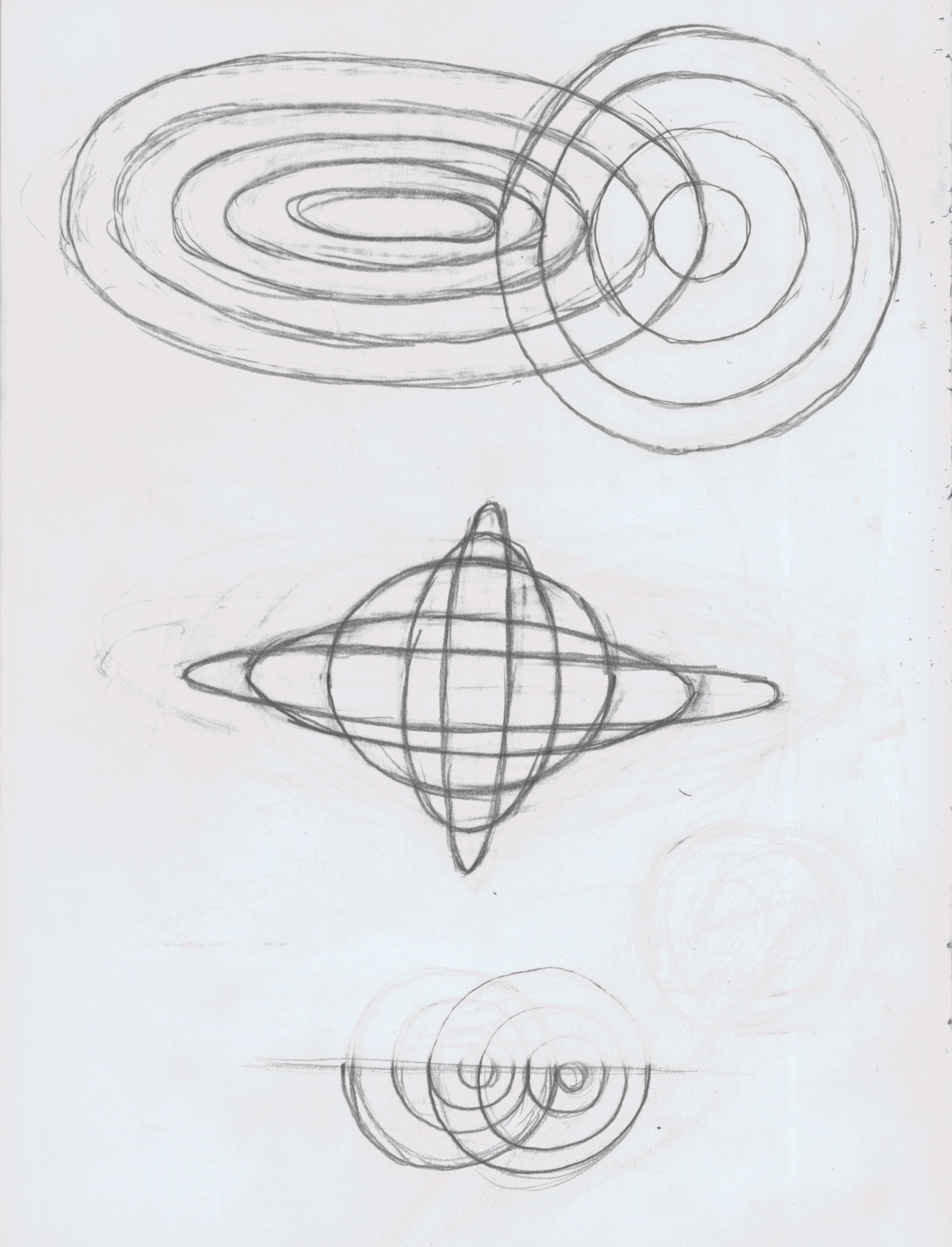
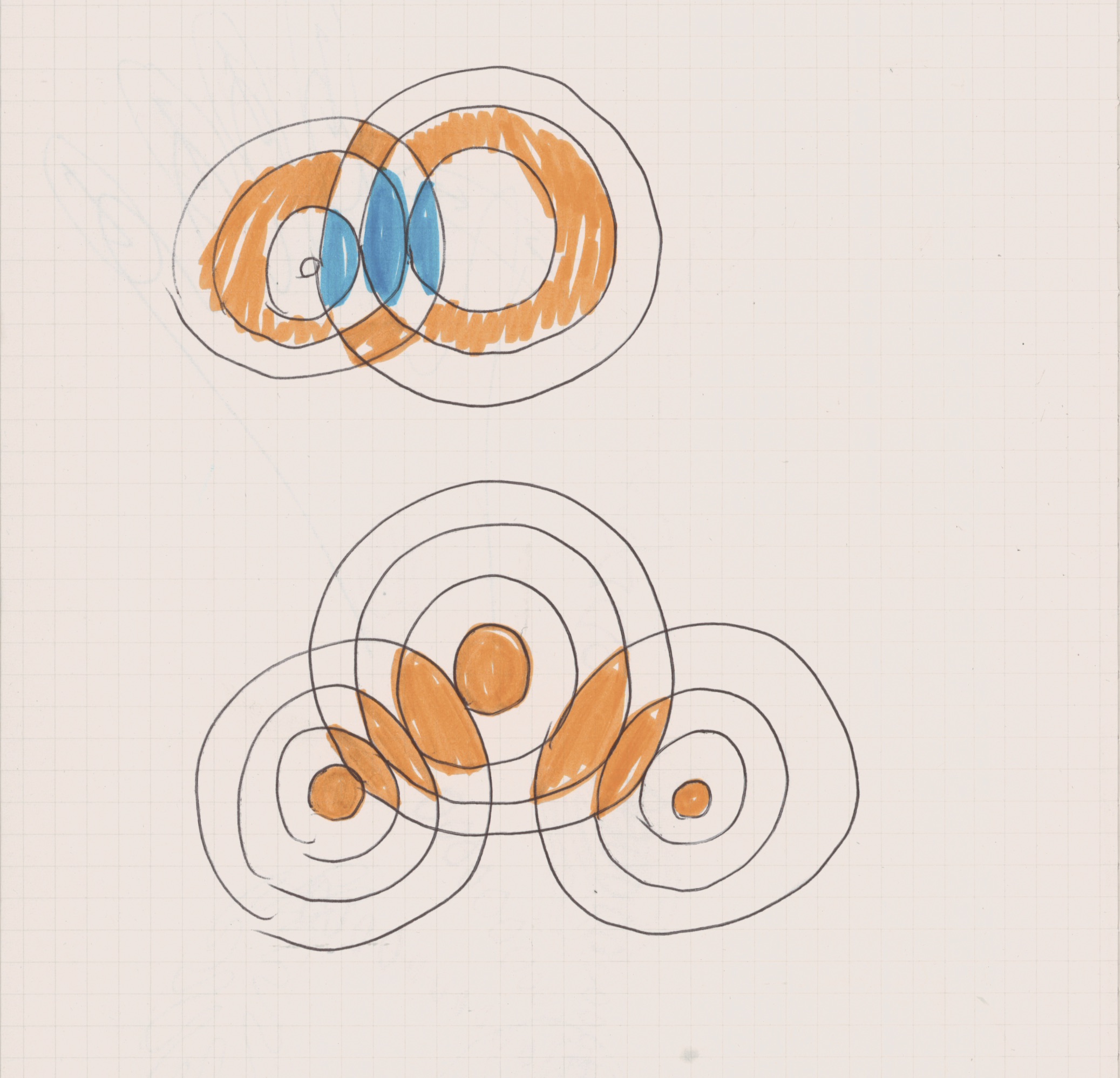
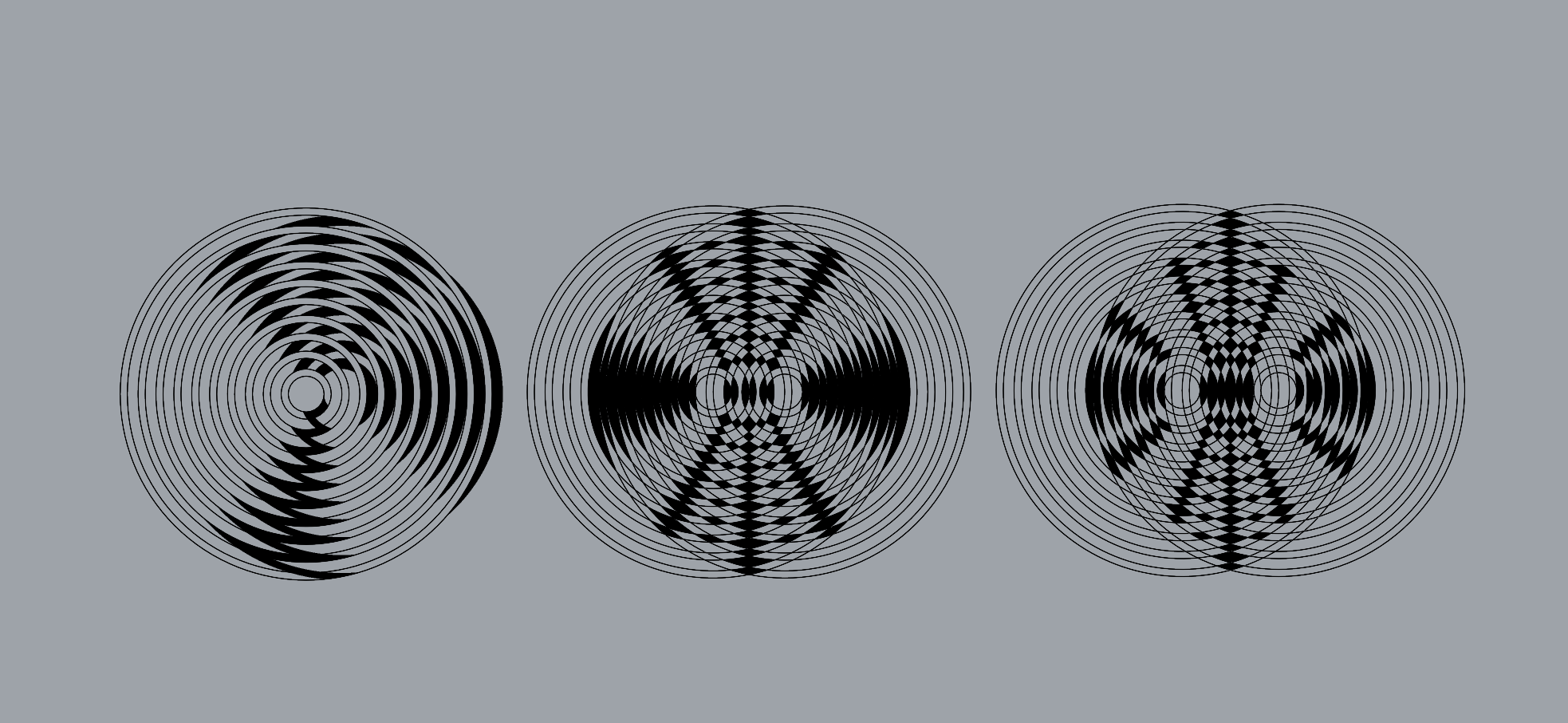
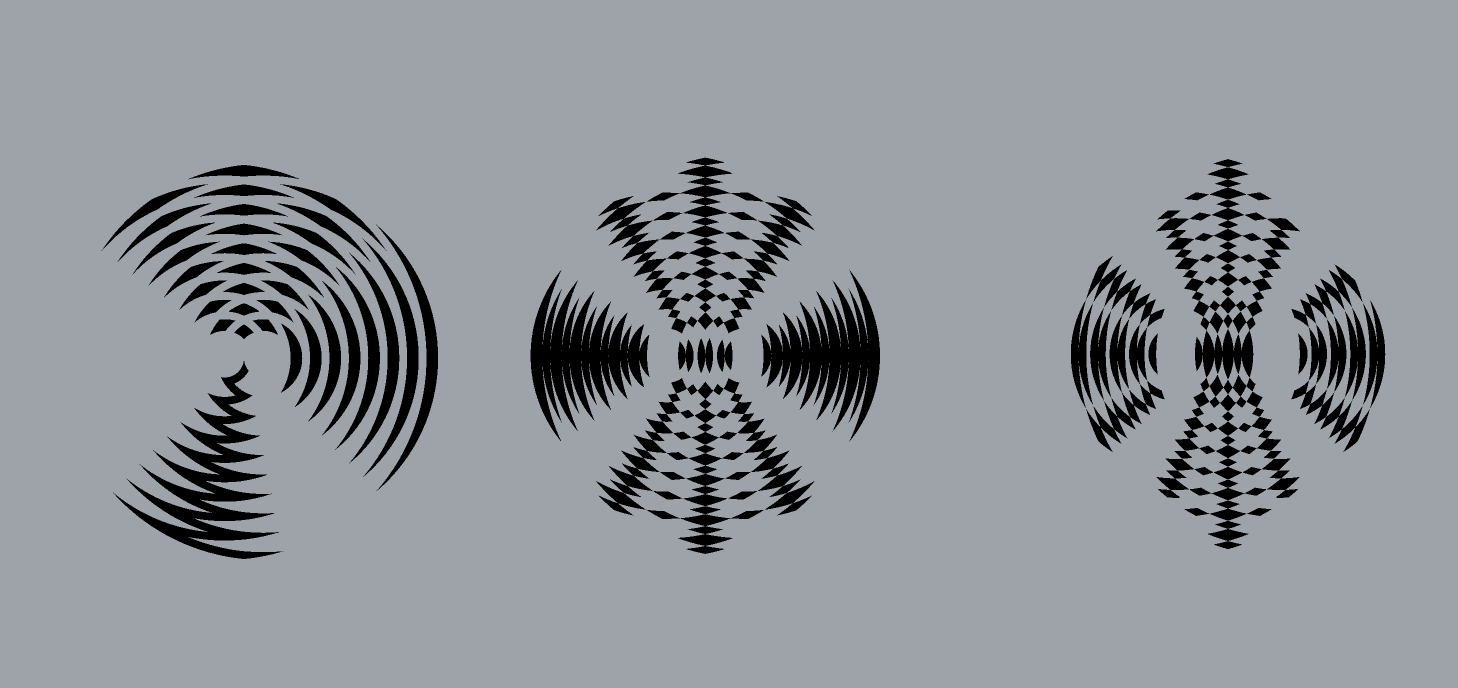
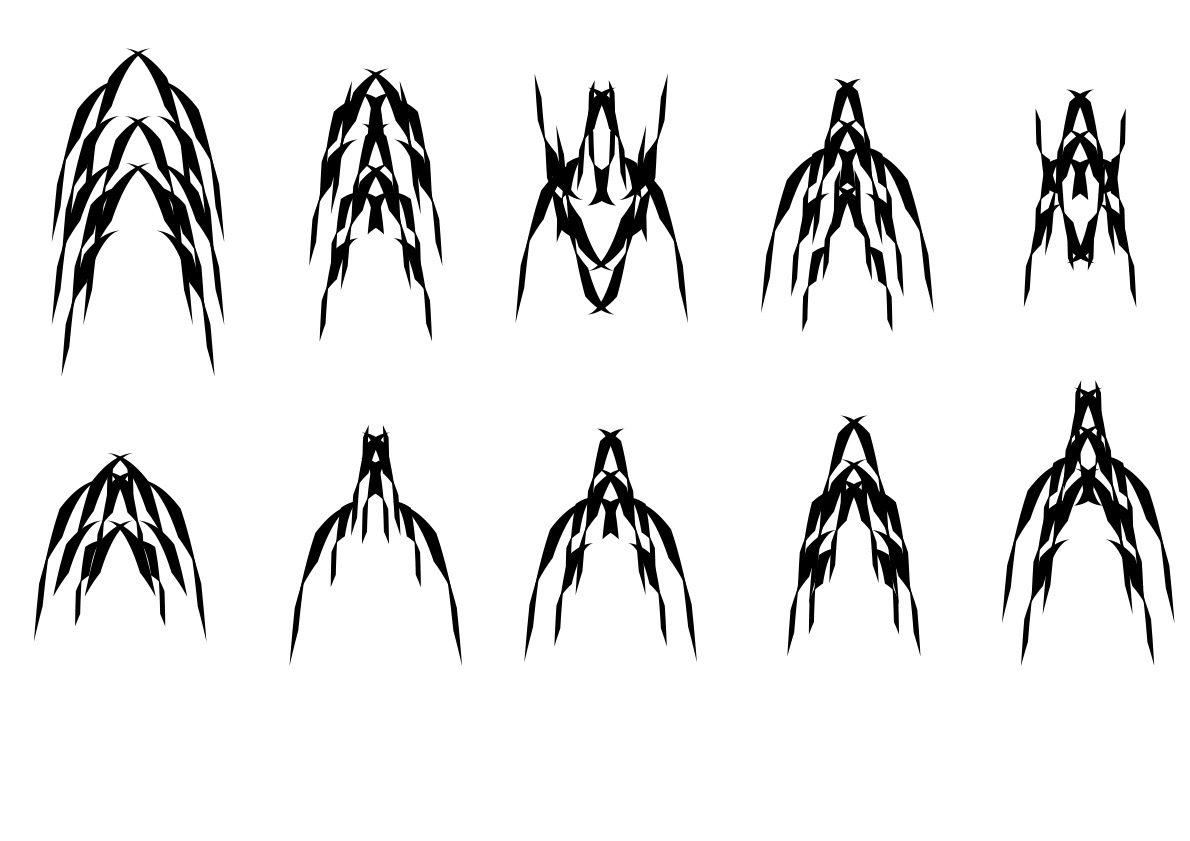
To think about this object, we started drawing and exploring shapes and ergonomic possibilities, imagining ways to use our instrument. By overlapping circles we could define interesting forms, both visually and practically.
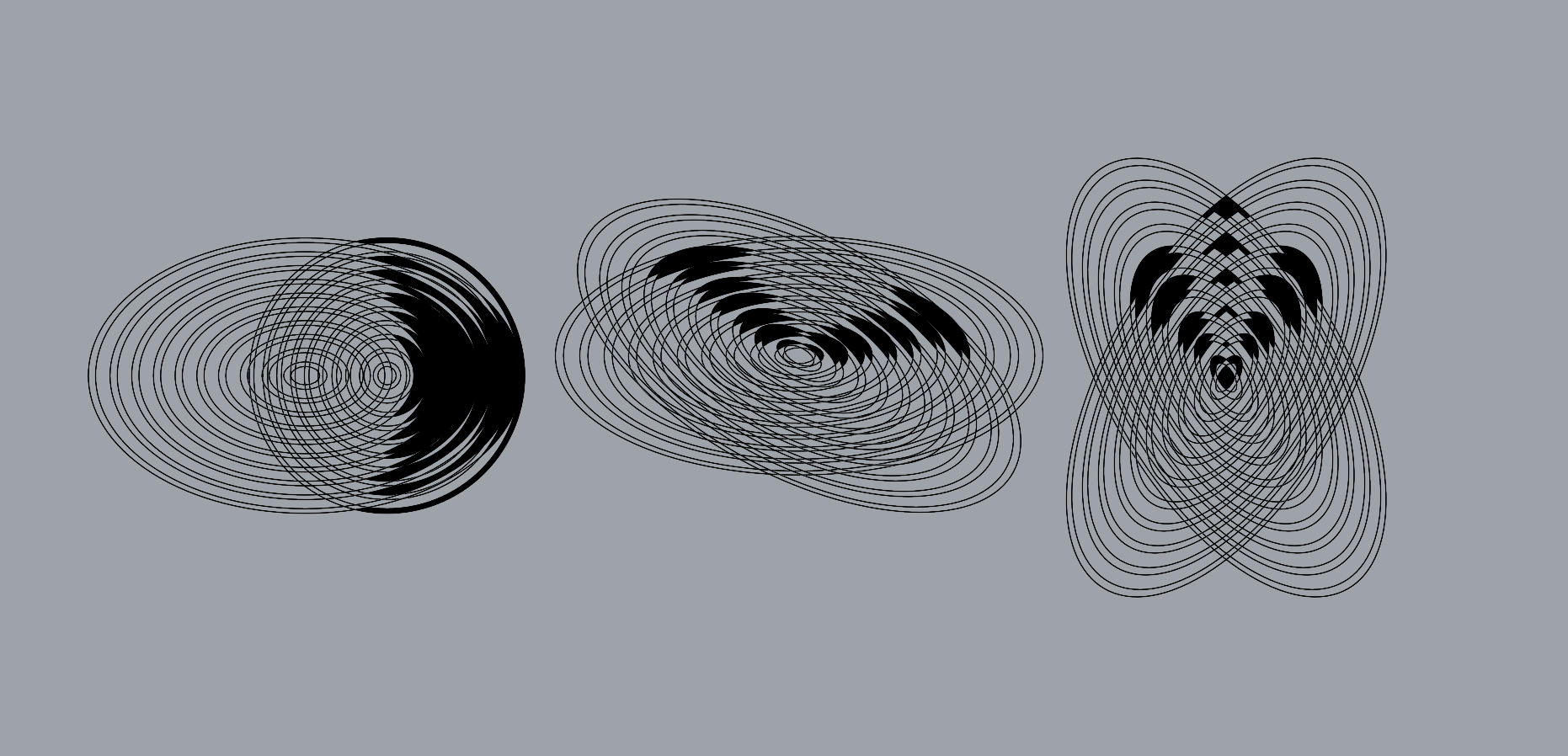
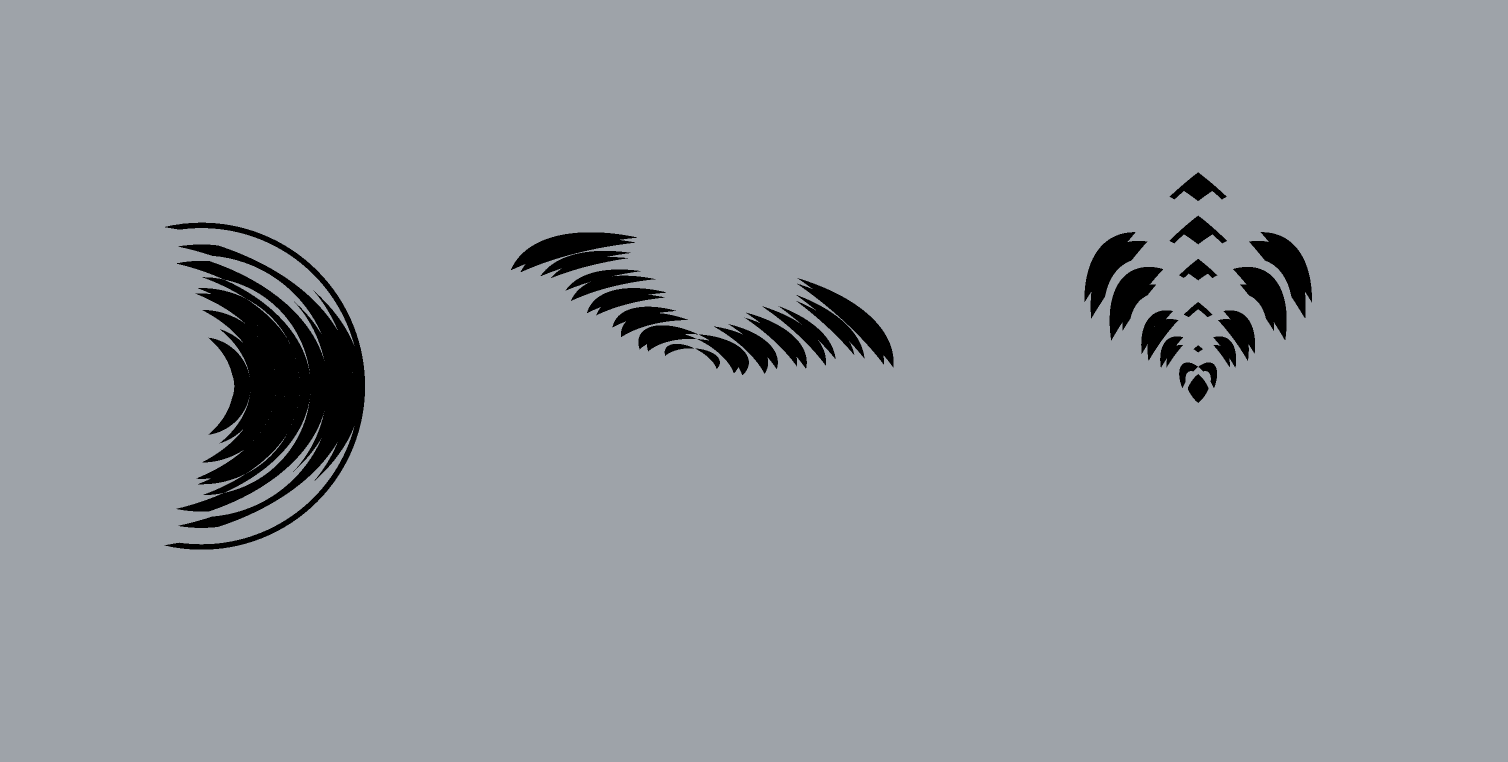
Experimentation week
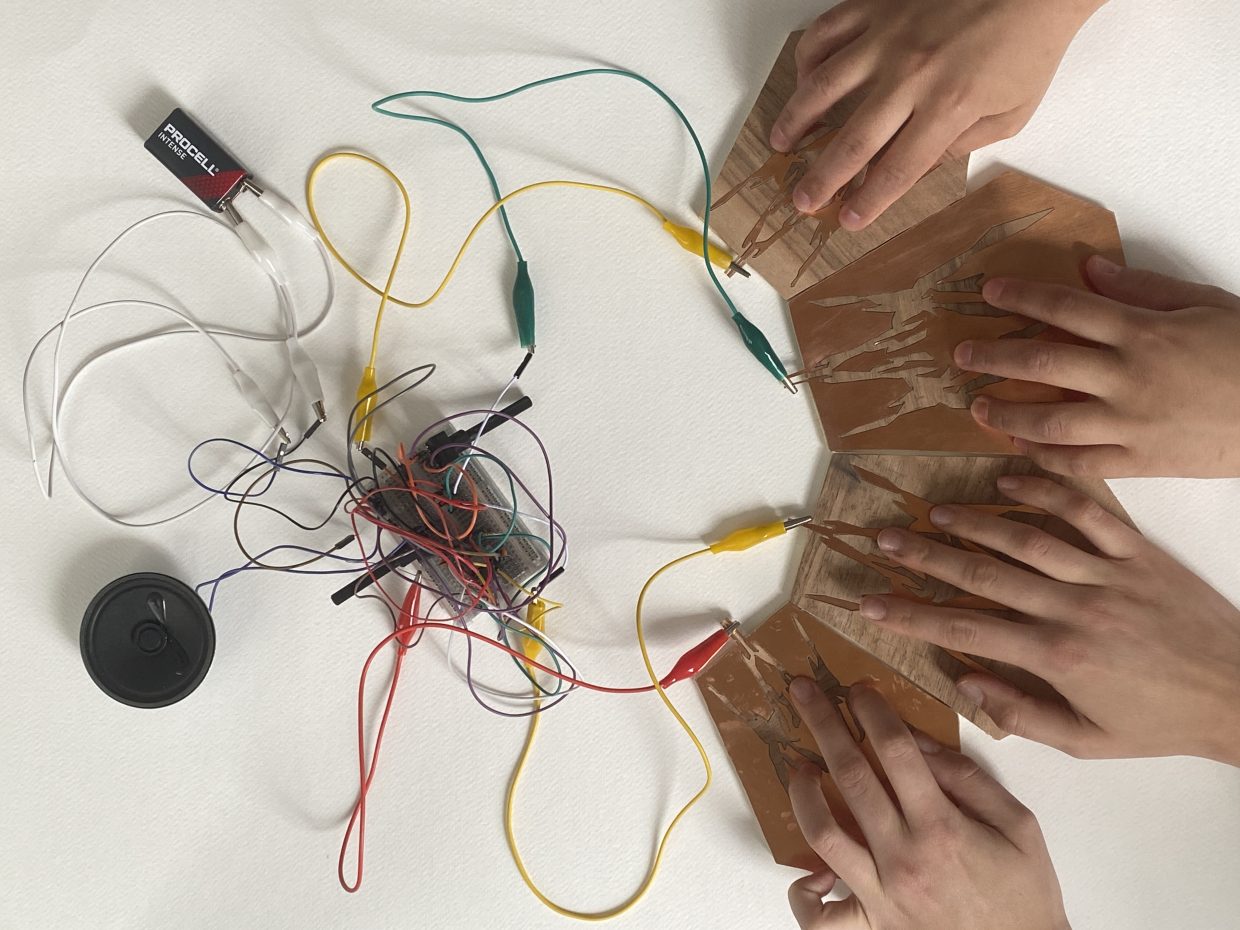
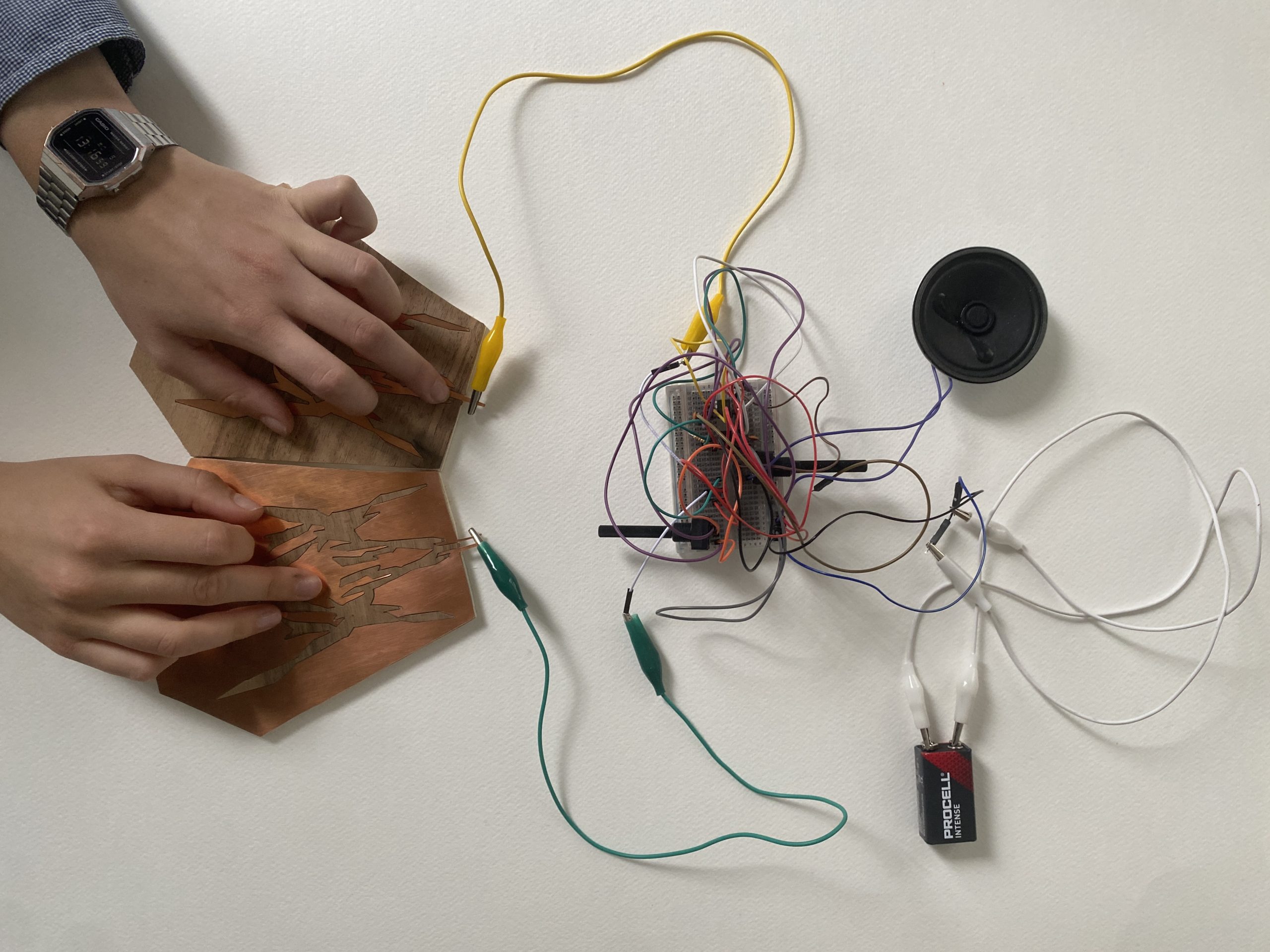
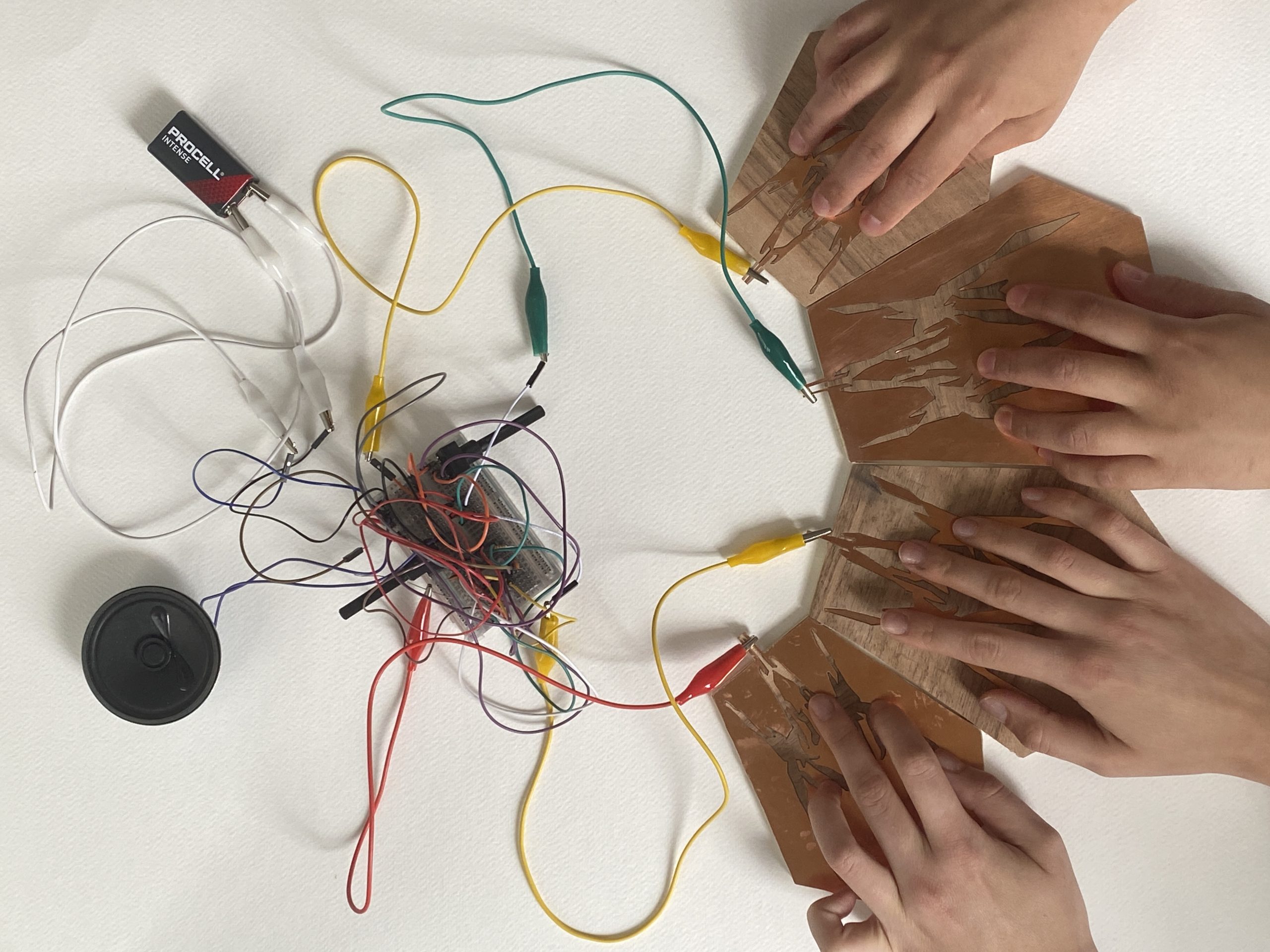
We started the week building an actual electronic circuit, using a breadboard, jumpers, resistors, potentiometers, a 9V battery and a small speaker. This means we moved away from something that plugs into the computer into something that has its own speaker and is self contained. We cut our shapes in cardboard using laser, and we wrapped them in copper tape. We could then connect our intertwined shapes to the circuit, using our body as a bridge (touching each piece with each hand) to close the circuit which produced some sound. This new understanding led to experimentation with form, ergonomics, and copper tape, to explore how you can use the object by forming bridges
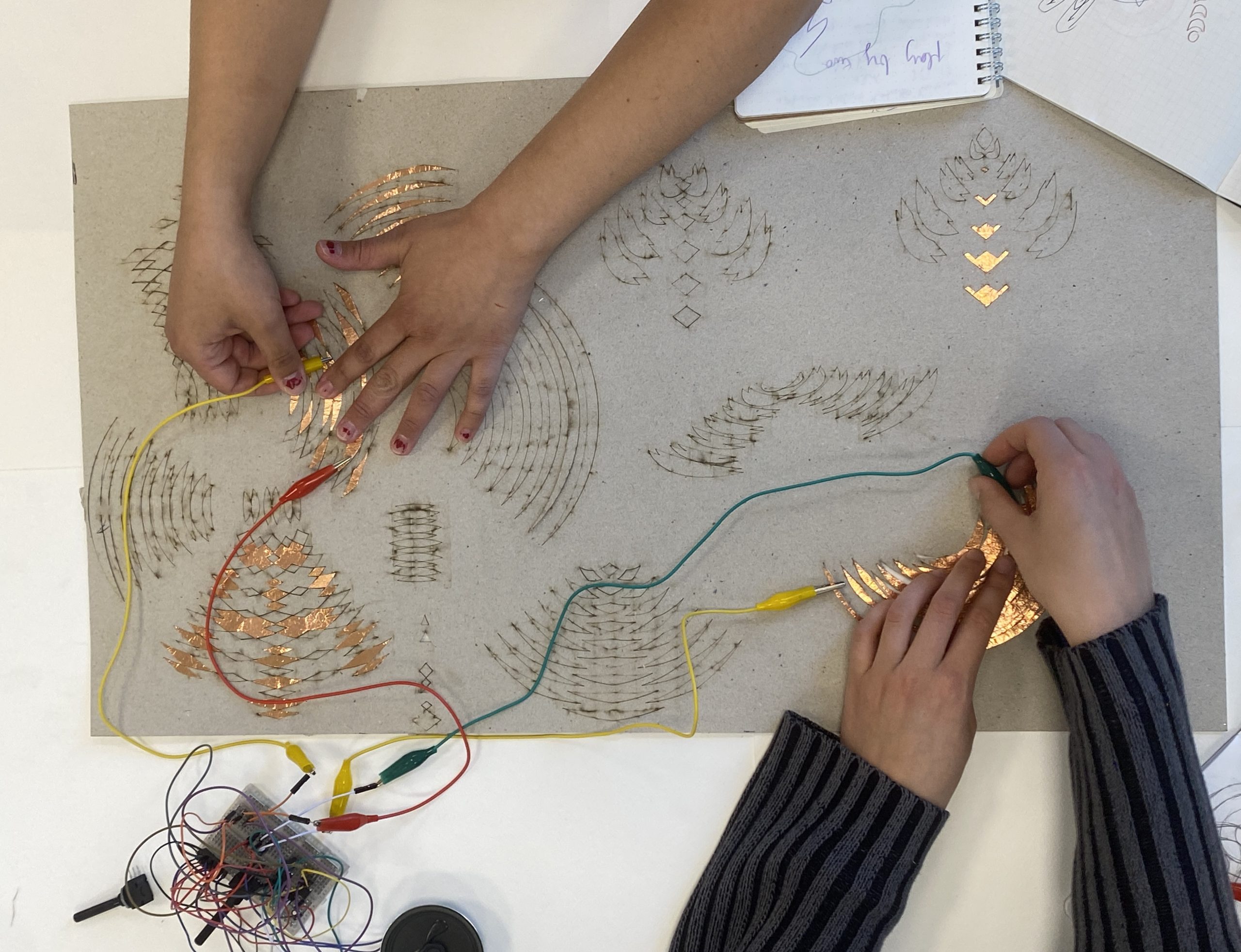
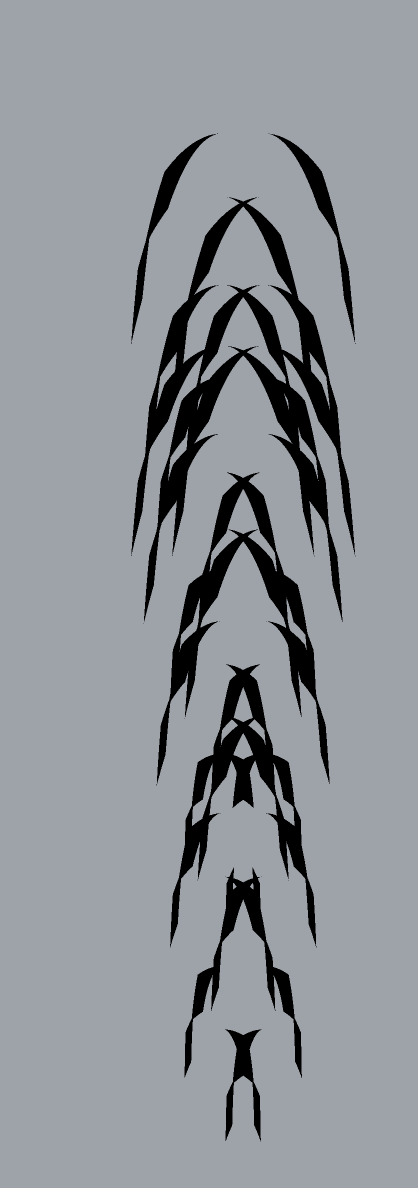

We played with this first mock-up, finding out how the pressure (pressing the whole finger or barely grazing it), and surface area touched affects the sound. The advantage of intertwined pieces is that it’s possible to play it with one hand or even one finger by touching the two parts at a place where it’s next to each other.
By connecting separated shapes, we found new ways to affect the sound. We also found out that you can close the circuit with multiple people joining hands. That lead us to our current investigation : how do we want to play it ? Is it possible to conceive an sound object that could not be used alone, and required to be 2 or multiple players at the same time ?
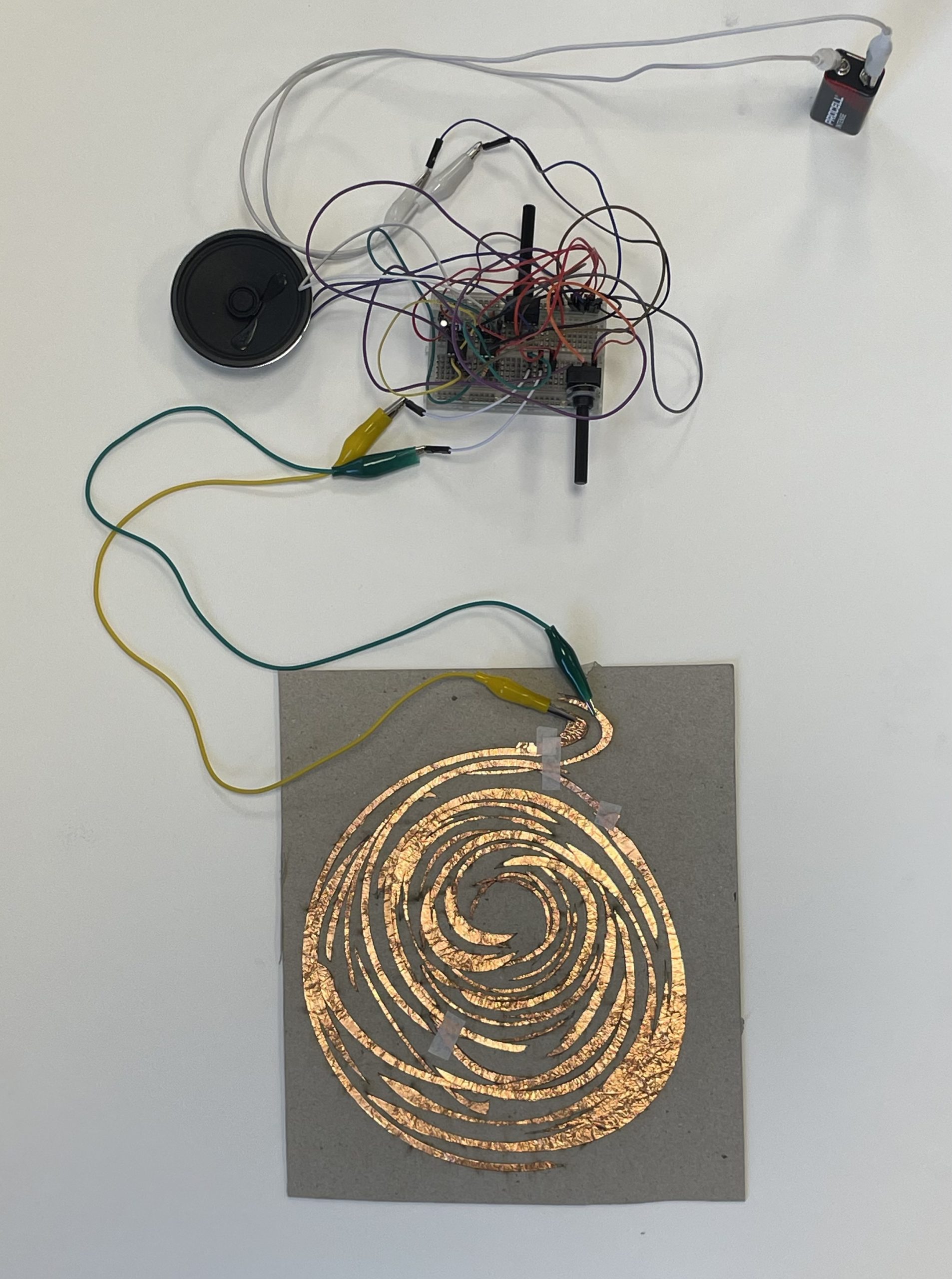

At the end of the week we switched out a potentiometer to connect another copper taped shape instead, creating a new area to affect the sound by touch.
Marqueterie technique
We moved forward from copper tape to copper sheets, and started experimenting with how it could be integrated into wood with a clean finish.
Our first attempt was to use lasercutting engraving on the surface of the wood, but this proved to have inconsistencies in the engraved form and the copper sheet.
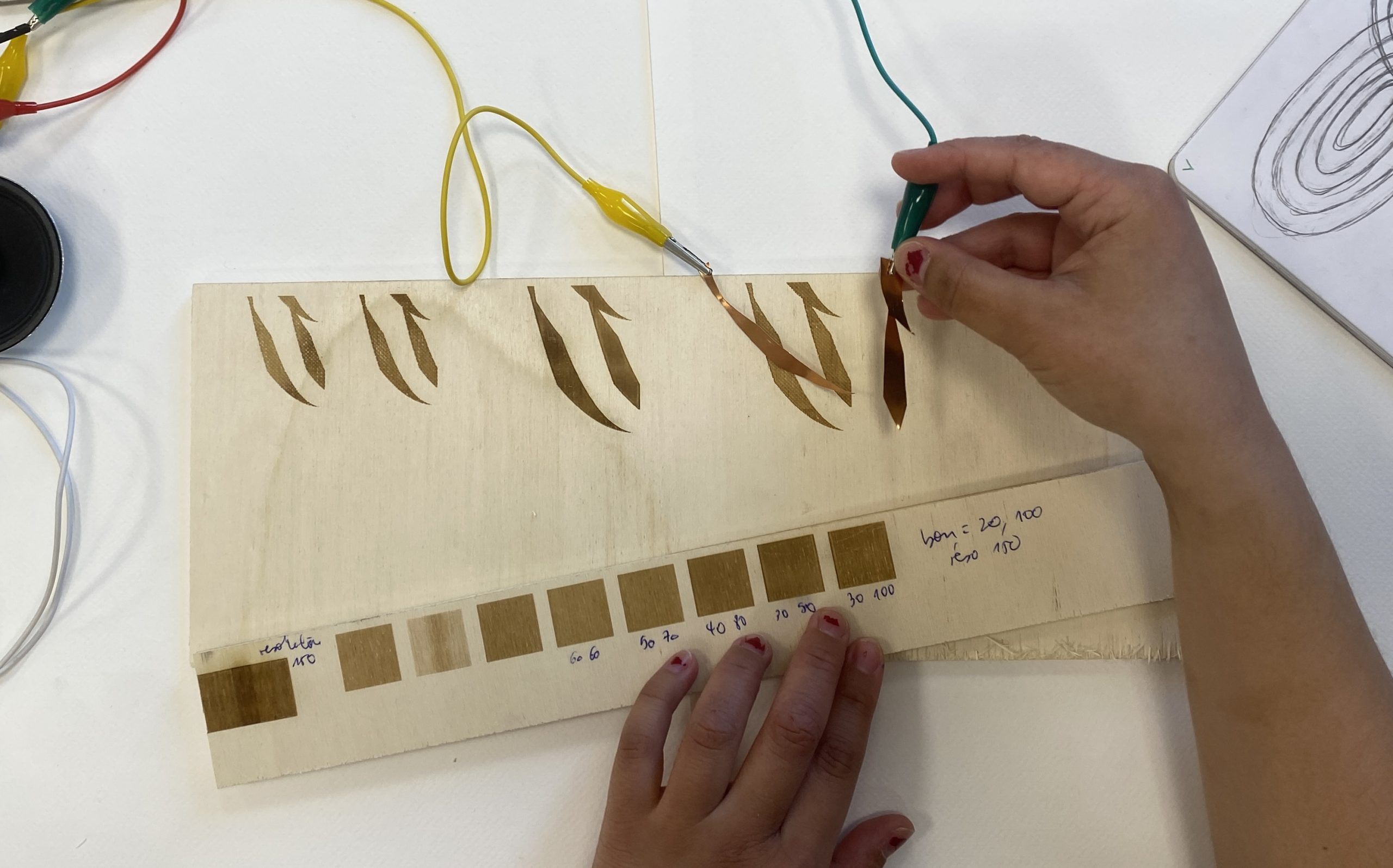
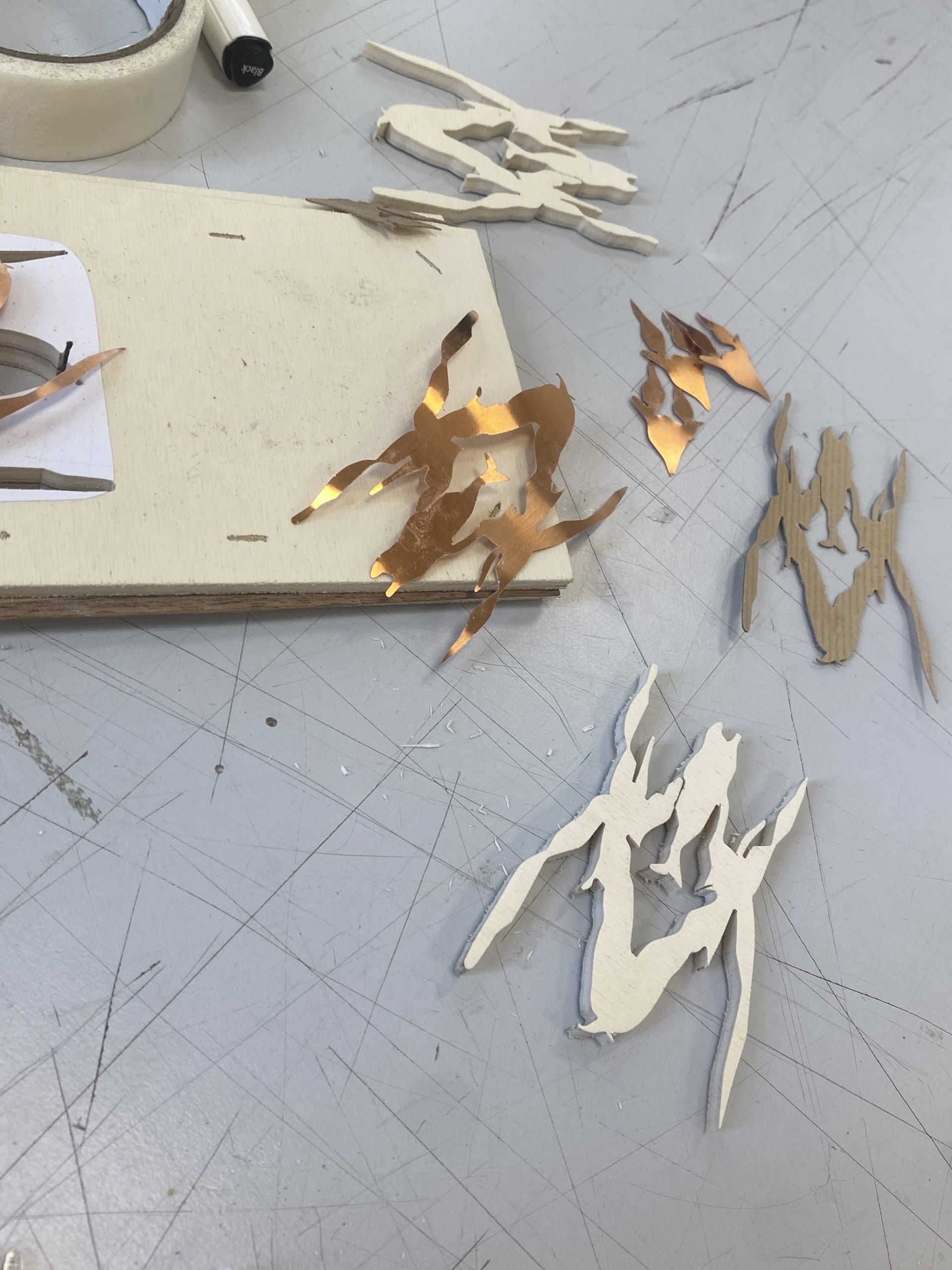
Our next attempt was to create a ‘sandwich’ with copper, veneer, and wood, and cut them out at the same time to have perfectly equal pieces- mimicking a classic ‘inverting’ marquetry technique
Tiles
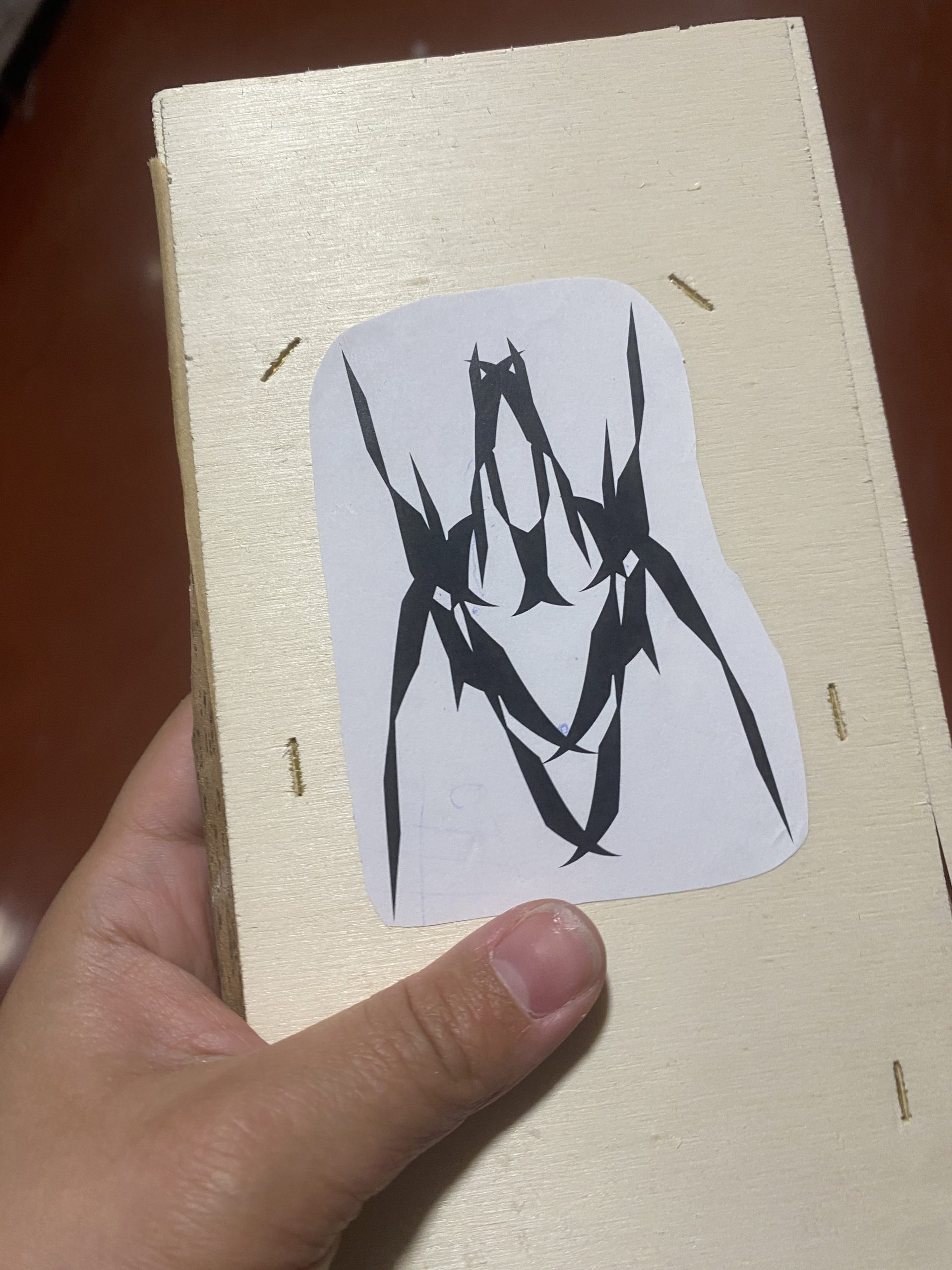
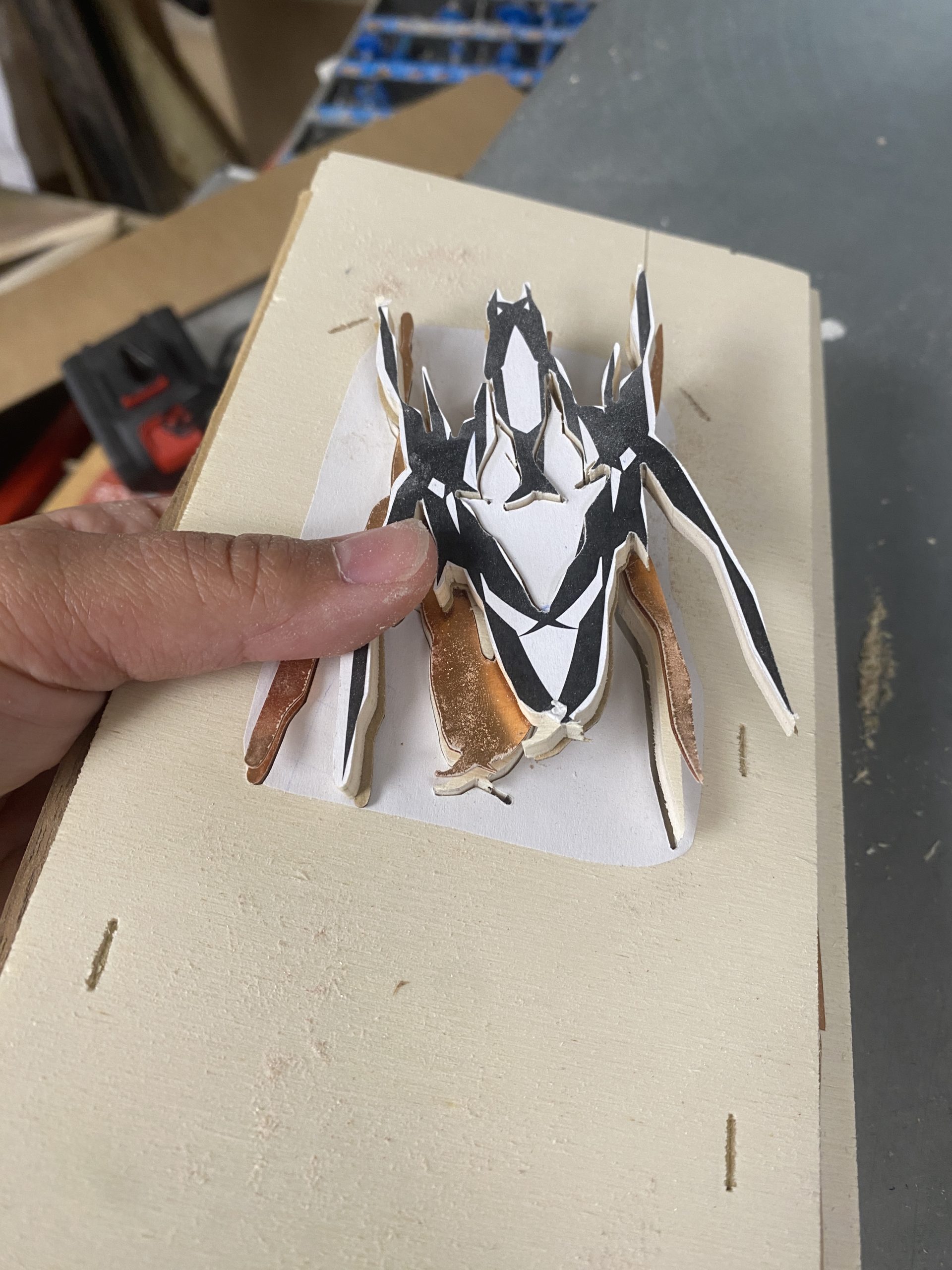
The final technique was cutting with the sandwich. We were able to cut 2 different forms, and make 4 surfaces (2 inverted).
To level the veneer and the copper sheet we glued :
1) veneer layer : veneer + papier à gommé (used to strengthen the veneer)
2) copper layer : veneer + copper sheet
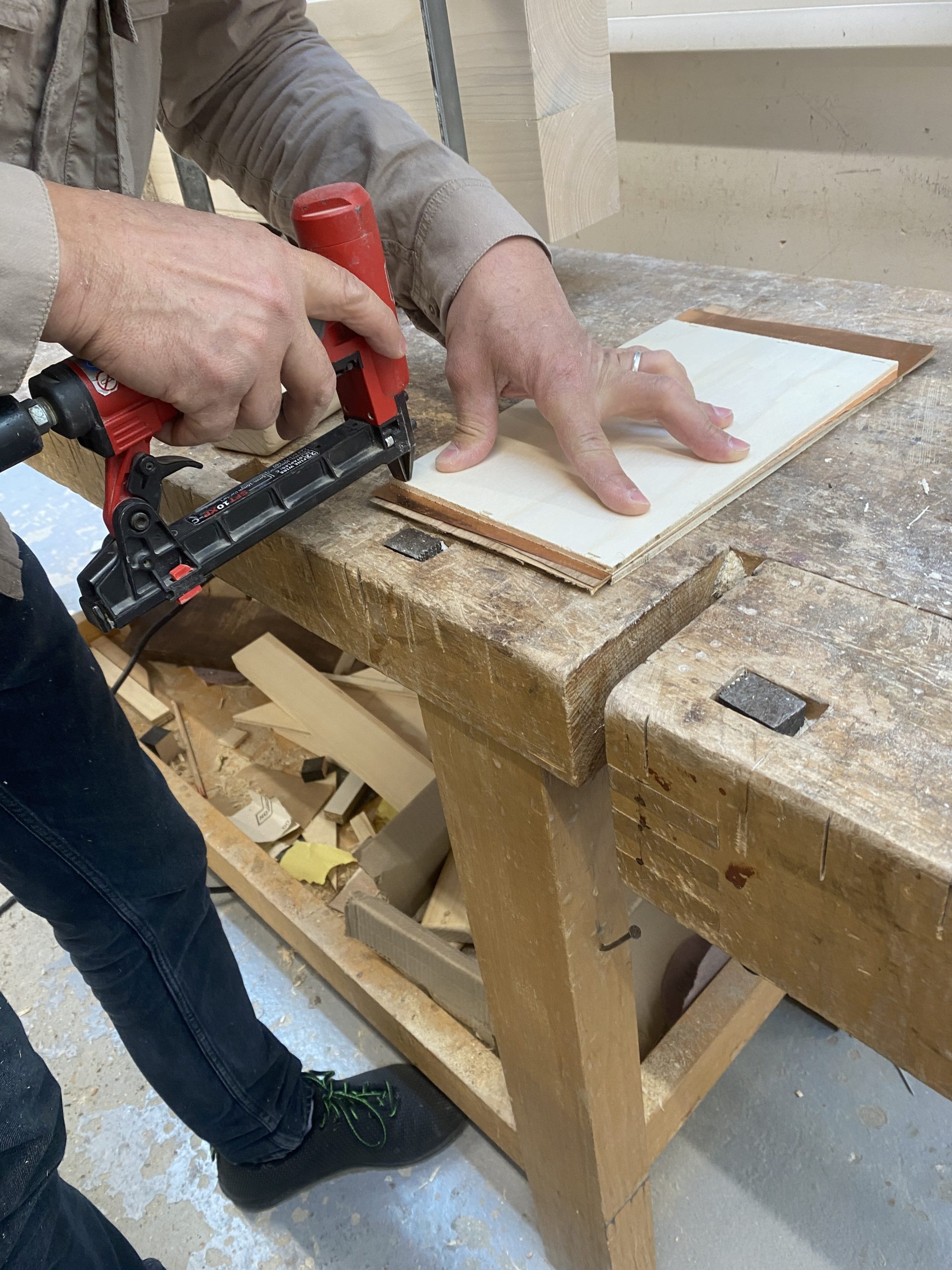
These were stacked between two plywood, attached with the nail gun, secured tight with tape on the borders.
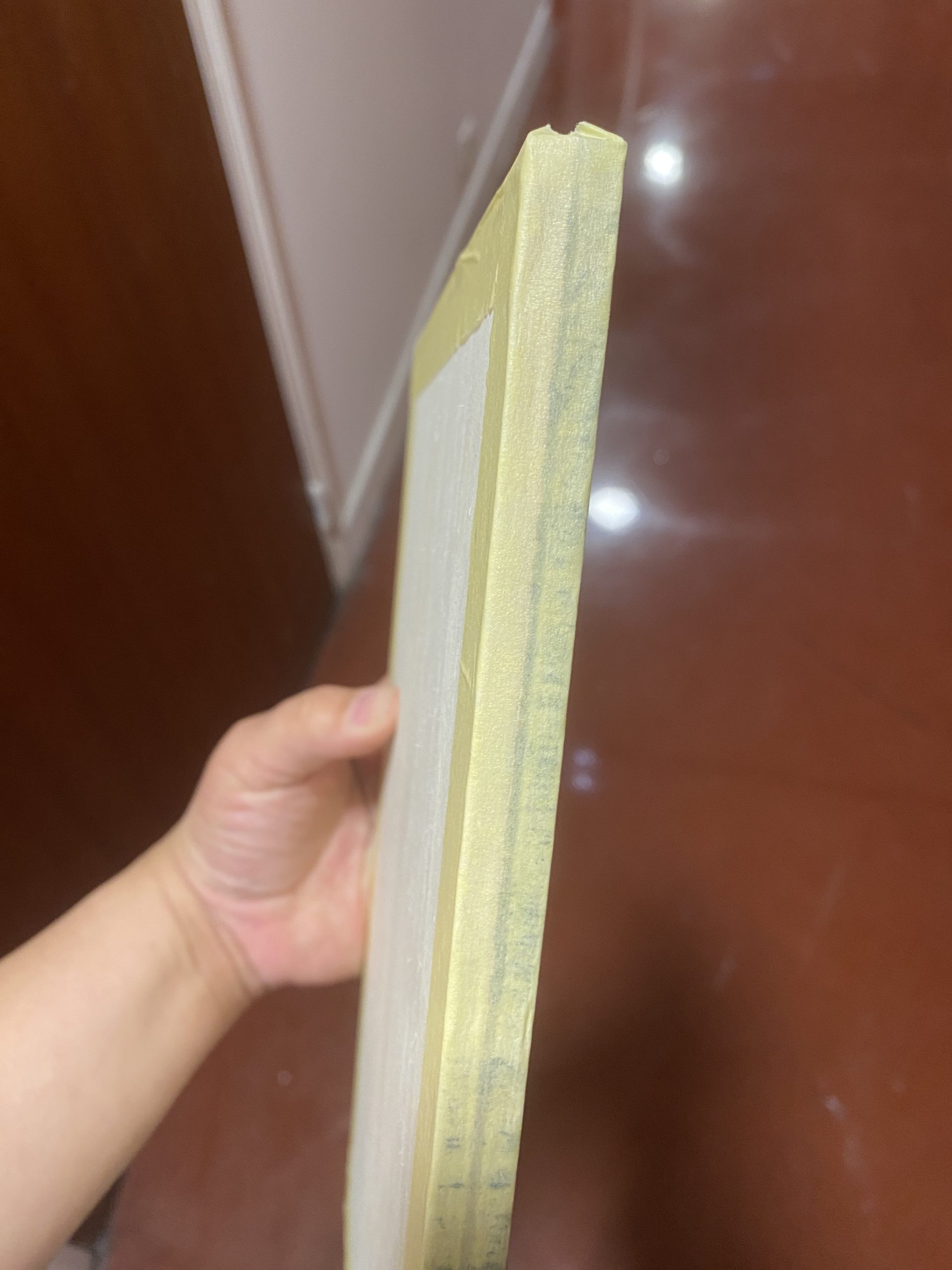
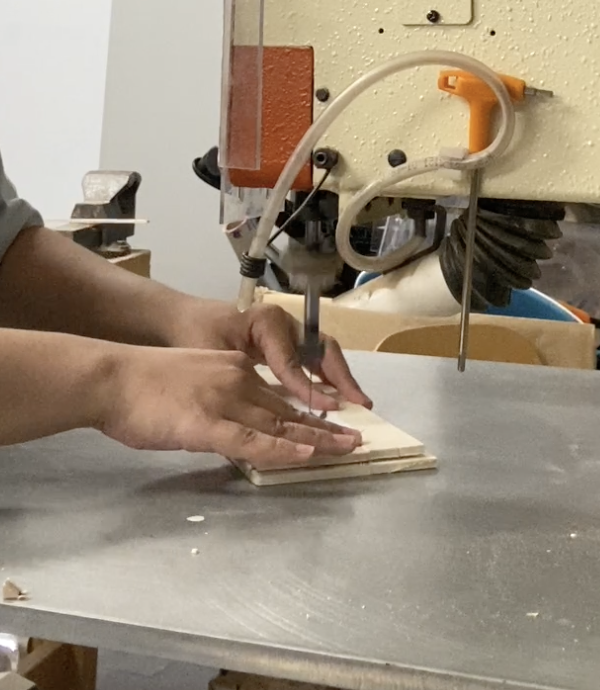
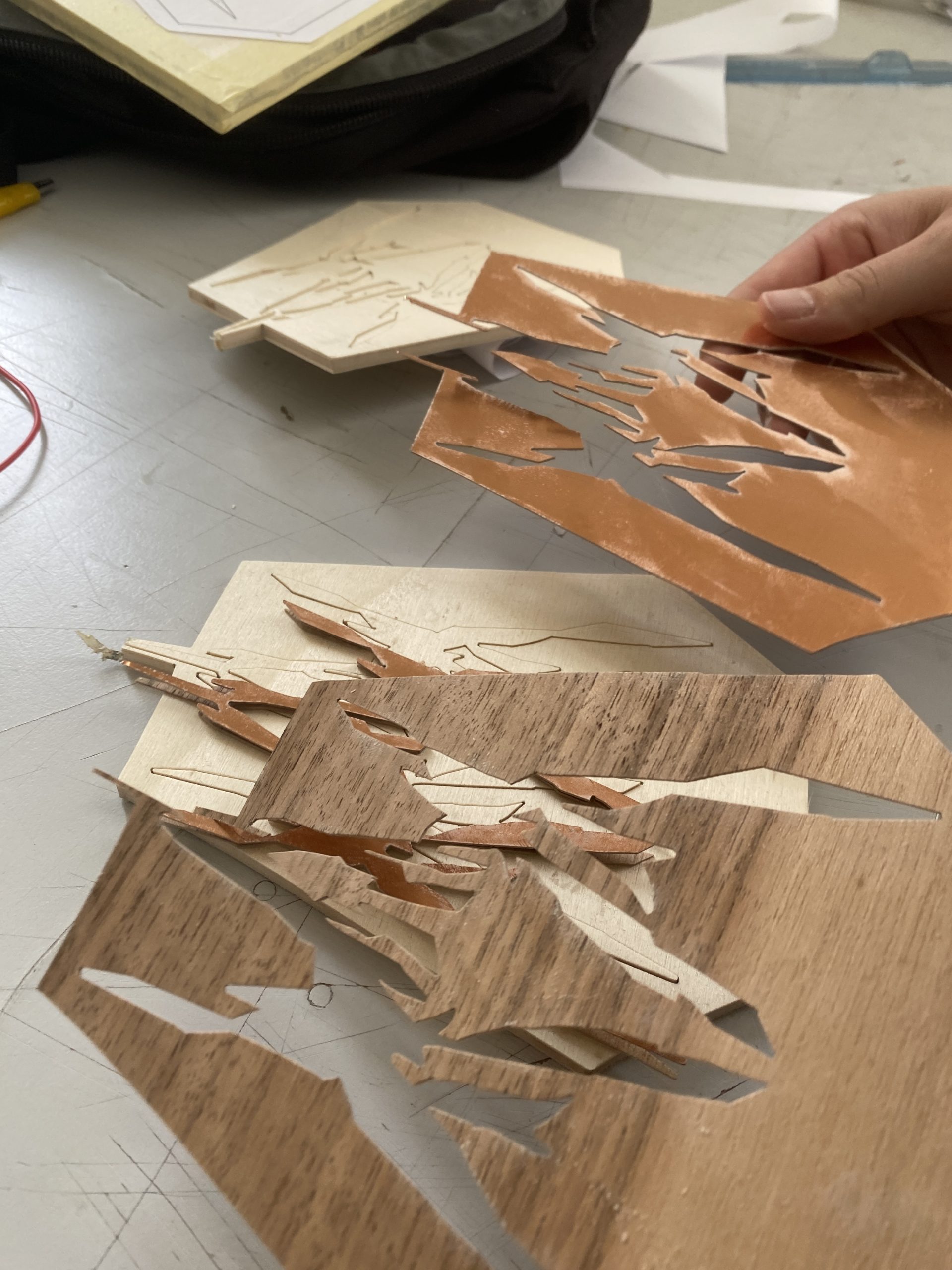
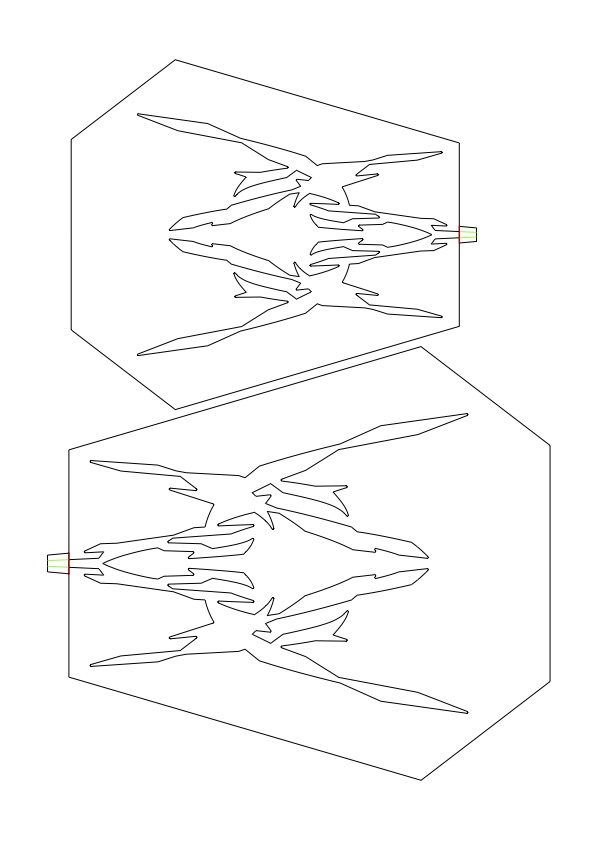
We then glued each layer side by side, inverting them, to plywood.
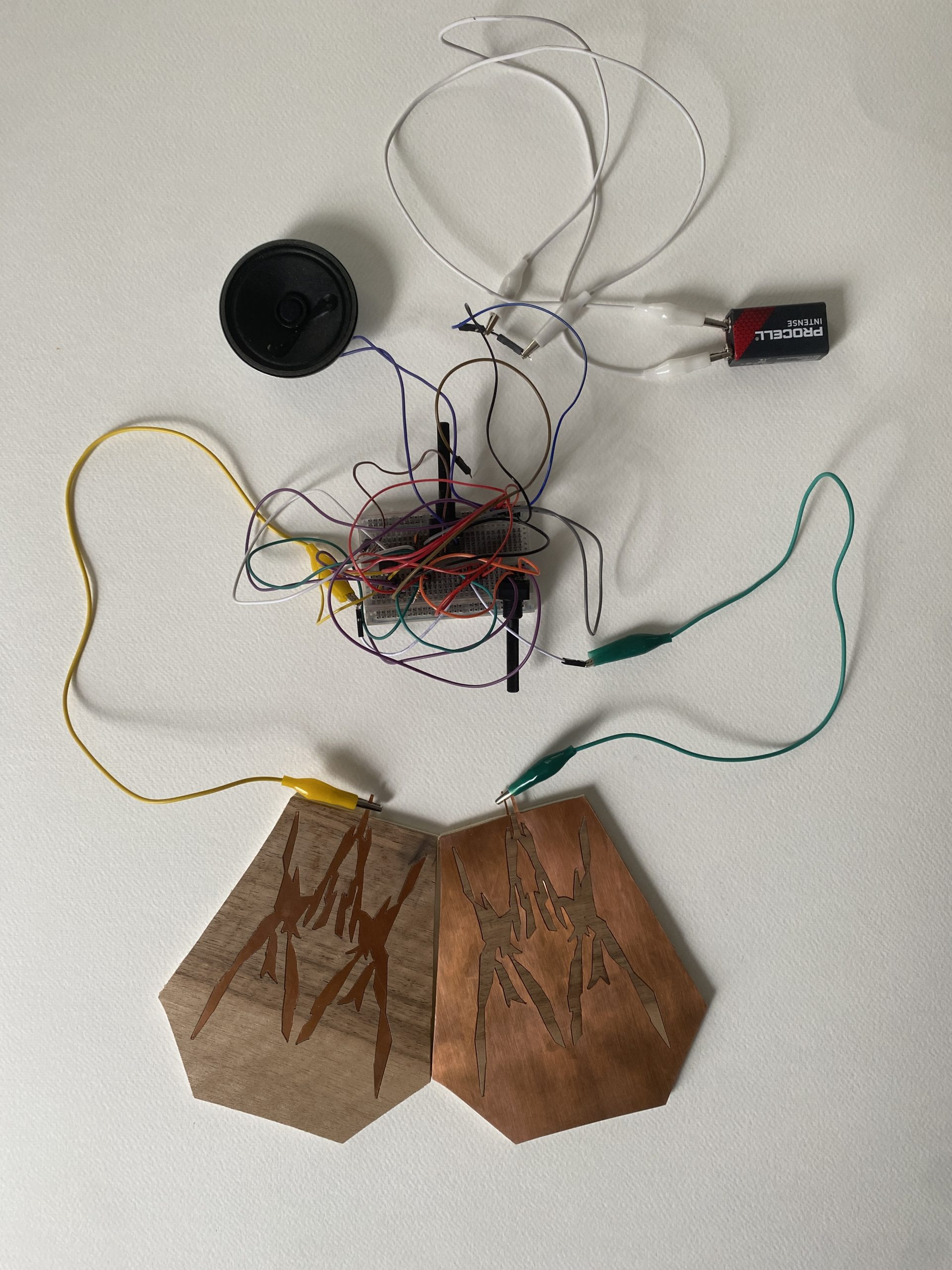
By connecting the initial circuit board we could get a better sound from the cooper sheet than the copper tape.
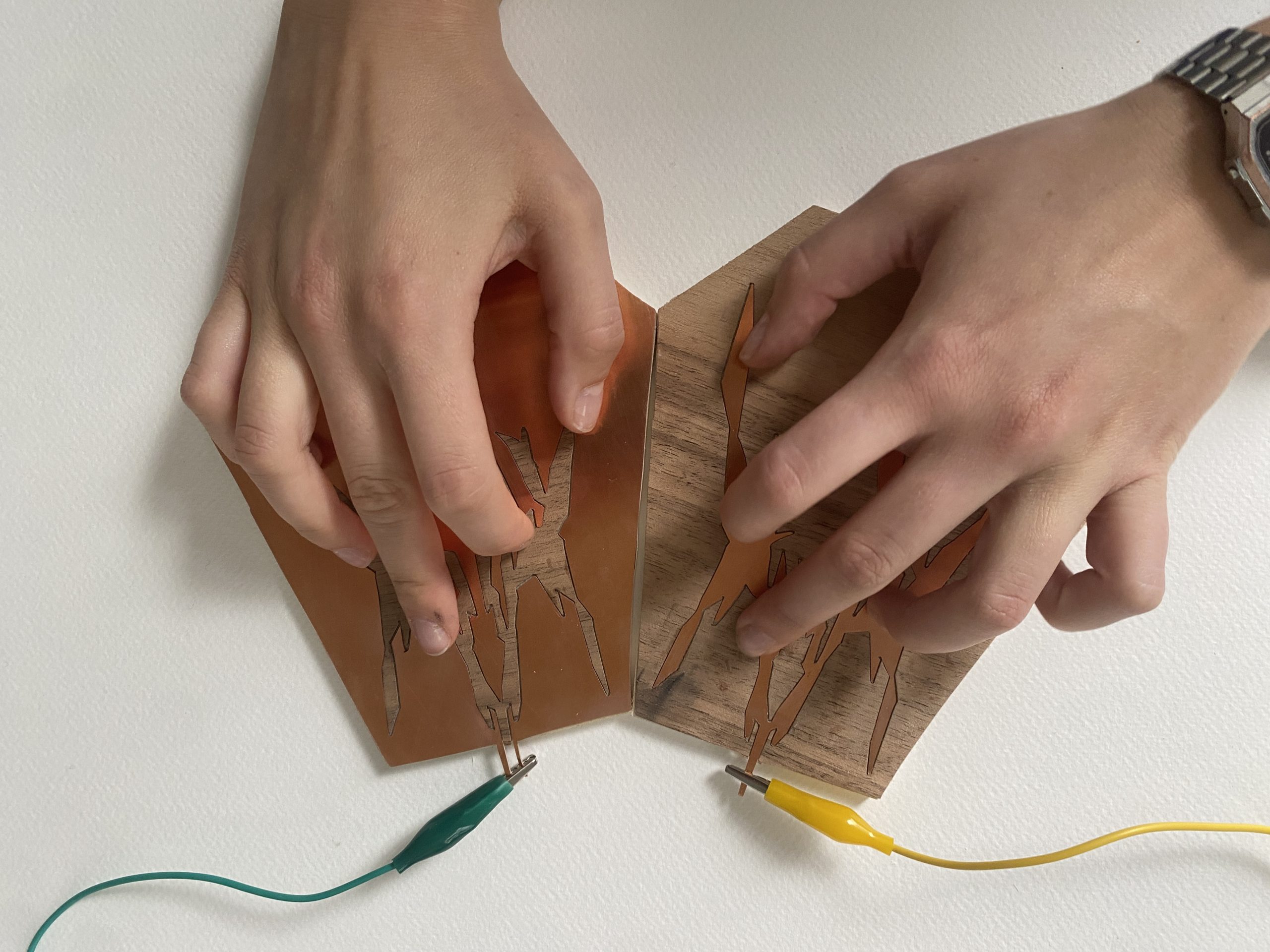
We could also play with four shapes (2 circuits to close)
Going forward
We would like to take the sound design further, by bettering the sound quality, finding other effects like delay or cutting the frequency, setting defined pitch instead of random sound, and possibly layering notes.
We would also be very eager to experiment with Arduino and control the setup with programming, to have a better mastery of the function and effects of our object.